
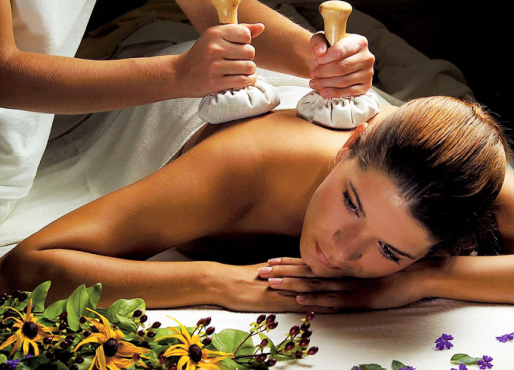
What is Ayurvedic massage therapy?
Ayurveda, India’s ancient system of healing has actually long comprehended the many benefits of massage therapy and employed numerous forms of massage as part of both palliative (Shamana) and purificatory (Shodhana) treatments. Intentional touch, guided by the concepts of Ayurveda has substantial power to return both mind and body to an euphoric state of wellness and health and wellbeing.
The different techniques and considerations of Ayurvedic massage that we will certainly check out have been laid out in lots of vedic texts consisting of the brhat trayi (the wonderful 3 texts consisting of Caraka, Sushruta and Vagbhata) along with Bhavaprakasha and Yogaratnakara. In ancient times, these techniques were utilized for numerous reasons consisting of to sustain warriors and athletes, for the purposes of virilization and of course for recovery such as in postpartum treatment and for preventative objectives.
Standard principles of the five components and 3 doshas in Ayurveda
Ayurveda understands that all matter is composed of the 5 excellent elements; room, air, fire, water and planet.Read here sports massage At our site When these 5 standard elements manifest in the body, the components are grouped right into three doshas. The doshas, additionally called the three vital concepts of Ayurveda are Vata which is made up of area and air, Pitta which is composed of fire and water and Kapha which is water and planet components combined. All Ayurvedic treatment is based upon treating the doshas that obtain enhanced or vitiated, with their opposite high qualities.
Embellished care:
Ayurvedic massages, like all various other Ayurvedic treatments, are customized to fit the requirements of the specific recipient. Aspects such as the individual’s special constitution (Prakruti) and present state of discrepancy of the doshas (Vikruti) inform choices made by the specialist when intending and performing a therapy. Other important factors to consider are the state of the person’s digestive system fire (Agni) and level of contaminants in the body (Ama).
The option of which Ayurvedic massage techniques to employ; whether they ought to be extra boosting or soothing to the system, affects and cancels various doshas; as an example Vata and Pitta disorders can benefit from gentle, smooth and soothing strokes, whereas Kapha problems can gain from even more heat being generated, stimulation and a rise in circulation.
One more essential element is the choice of oil with both the base or provider oil and herbs that are infused right into the base being made use of purposefully to alleviate details doshic discrepancies. Sesame oil, with its heavy and warming high qualities works well to calm Vata dosha, cooling down coconut or sunflower oil work well for Pitta, and lighter, heating oils such as mustard can be made use of in Kapha problems.
For a Vata individual or condition, huge amounts of oil would be made use of, for Pitta a moderate quantity of oil and for Kapha a small amount of oil.
When there is a considerable amount of Ama in the body, massage therapy with oil is contraindicated because of the truth that most oils, having comparable heavy, sticky and unctuous qualities as Ama itself, can exacerbate those problems. Dry rubbing with natural powders, also referred to as Udvartana, could be employed instead in these situations.
This way, we can begin to value how in Ayurvedic massage every aspect of the treatment, from the massage strokes to the choice of oil or natural herbs can be tailored and targeted to remedy today discrepancy by Ayurveda’s timeless like-increases-like’ approach.
Unique considerations for Vata and the mind
According to Samkhya viewpoint, the air component is related to the feeling of touch (Sparshendriya). Vata dosha, being composed of the air and room components, is specifically influenced and pacified by touch. The mind, being connected with all the aspects but especially the subtlest air and area elements, can additionally especially benefit from healing touch. Therefore, ayurvedic massage is especially useful in the therapy of Vata dosha and psychological wellness problems.
That being said, the customizable element of Ayurvedic recovery massage therapy will likewise provide itself well to sustaining Kapha and Pitta concerns, particularly with reference to blood circulation and complexion concerns respectively. Much of the physical structure and function of the skin (Tvak) is regulated by bhrajaka pitta, responsible for the shade, skin and gloss of the body’s largest organ. Oil and natural herbs in the form of pastes or directly instilled to those oils are stated to nourish the agni of the skin, equally as food nurtures our inner digestion. By feeding the skin by doing this, consistently or consistently, these materials will penetrate to the much deeper cells, consisting of the nerves, muscular tissues, bones and organs as well as enhance the top quality and resilience of the skin itself.
Categories of massage therapy:
Abhyanga
Maybe the most popular of Ayurvedic massage therapy techniques, Abhyanga describes the method of oiling the body. It can be practiced on one’s very own body (self-massage) or given as a treatment by one and even 2 specialists for a four-handed massage therapy. As discussed, when used topically, herbalized oils lug the medicinal residential or commercial properties of natural herbs right into the skin and much deeper cells to unfold healing. The technique of exterior oleation is accompanied by interior oleation in deep cleaning treatments such as Panchakarma to loosen contaminants and launch the doshas that have accumulated in the body.
Snehan’ in Sanskrit implies both oil and love. Oil is the physical manifestation of love and oil massage therapy is equivalent to integrating the cells of the body with a vibration of love and brilliance. Normally speaking, except in cases of high Ama and Kapha, oil is a main tenet of Ayurvedic massage therapy. There are many special herbalized oil formulations in Ayurveda such as Mahanarayan tailam, made use of especially hurting problems and Dhanvantaram tailam, named after the god of Ayurveda, Dhanvantari, among the best oils for Vata pacification.
Massage with powders and pastes
Udvartana, or massage therapy with completely dry and hot organic powders can be especially handy in relieving Vata and Kapha problems. Udsadana describes this kind of massage with completely dry natural herbs and serves for cosmetic and improvement procedures and udgarshana, massage therapy with herbal pastes (herbs mixed with water or oil) works in easing other skin conditions.
Additional classifications of ayurvedic massage therapy are called according to body place; Deha samvahana or deha mardana are terms used to explain massage therapy of the entire body, while head massage therapy is called kesha mardana.